To help diagnose or rule out heart failure, doctors often order blood tests to check for elevated levels of specific proteins like BNP or NT-proBNP, which are released by the heart in response to stress, and other tests to assess overall heart function and kidney function.
Here’s a more detailed explanation:
Elevated levels of these proteins can indicate heart failure or other heart problems.
BNP and NT-proBNP tests are often used to help diagnose heart failure, especially when someone is experiencing symptoms like shortness of breath or swelling in the legs.
Other Blood Tests:
Complete Blood Count (CBC):This test measures the levels of different types of blood cells (red blood cells, white blood cells, and platelets), which can help assess overall health and identify conditions that could be contributing to heart failure, such as anemia.
Electrolytes:These tests measure the levels of electrolytes (sodium, potassium, calcium, etc.) in the blood, which are important for heart function and kidney function.
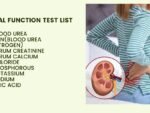
Kidney Function Tests:These tests assess how well the kidneys are working, as kidney problems can affect heart function and vice versa.
Troponin Test:This test measures the levels of troponin, a protein released by the heart muscle when it is damaged, which is used to diagnose heart attacks.
Blood Glucose (HbA1C) Test:This test measures average blood sugar levels over the past few months, which can help identify diabetes, a condition that can increase the risk of heart failure.
Liver Function Tests:These tests assess how well the liver is functioning, as liver problems can affect heart function.
Lipid Profile:This test measures cholesterol levels (total, LDL, HDL, and triglycerides), which can help assess the risk of heart disease.
Why Blood Tests are Important:
Blood tests can help doctors determine if heart failure is the cause of a person’s symptoms.
They can also help doctors assess the severity of heart failure and monitor the effectiveness of treatment.
Blood tests can also help identify other conditions that may be contributing to heart failure.
₹2,999.00Original price was: ₹2,999.00.₹2,500.00Current price is: ₹2,500.00.
Neisseria gonorrhoeae PCR, also known as Gonorrhoea PCR, is a test that uses a sample (like a urine or swab) to detect the presence of the bacteria Neisseria gonorrhoeae using a PCR (Polymerase Chain Reaction) method. This test is highly sensitive and specific, meaning it can accurately identify the bacteria and distinguish it from other microorganisms, according to Phadke Labs.
Here’s a more detailed breakdown:
What it is:
PCR is a molecular testing technique that amplifies specific DNA sequences, making them detectable and allowing for identification of the bacteria.
Why it’s used:
PCR is considered a highly sensitive and accurate test for diagnosing gonorrhoea, which is a sexually transmitted infection (STI) caused by Neisseria gonorrhoeae.
How it works:
A sample is taken from the affected area (e.g., urethra, cervix, rectum) and the DNA is extracted. Then, PCR is used to amplify a specific gene sequence from the Neisseria gonorrhoeae bacteria.
What it detects:
A positive result indicates the presence of the Neisseria gonorrhoeae DNA, suggesting a current infection.
When it’s recommended:
PCR testing is often recommended for individuals who may be at risk for gonorrhea, including those with symptoms, those who have multiple partners, and those in certain high-risk groups.
Important Considerations:
False-negative results:Can occur due to improper specimen collection, technical errors, or concurrent antibiotic therapy.
Co-infection:PCR can often be paired with a Chlamydia test as both STIs are commonly found together.
Confirmation:Positive results may be confirmed by repeat testing or culture in some cases,
₹4,500.00Original price was: ₹4,500.00.₹4,000.00Current price is: ₹4,000.00.