
Showing 10–14 of 14 results
-
9%
LIPID PROFILE COMPLETE
A complete lipid profile, also known as a lipid panel or cholesterol test, is a blood test that measures the levels of different types of lipids (fats) in your blood, including total cholesterol, LDL (bad) cholesterol, HDL (good) cholesterol, triglycerides, and VLDL cholesterol.Here’s a breakdown of what a lipid profile measures and why it’s important:-
-
Purpose:To assess your risk of heart disease and stroke by measuring the levels of different types of fats in your blood.
-
-
Components:
- Total Cholesterol: The overall amount of cholesterol in your blood.
-
- LDL Cholesterol: “Bad” cholesterol that can build up in arteries, increasing heart disease risk.
-
- HDL Cholesterol: “Good” cholesterol that helps remove LDL from the blood.
-
- Triglycerides: A type of fat that the body uses for energy.
-
- VLDL Cholesterol: A type of lipoprotein that transports triglycerides.
-
-
Procedure:
- Fasting: You’ll usually need to fast for 9-12 hours before the test, consuming only water.
-
- Blood Draw: A blood sample is taken from a vein, usually in your arm.
-
-
Why it’s important:
- High levels of LDL cholesterol and triglycerides can increase your risk of heart disease and stroke.
-
- Low levels of HDL cholesterol can also increase your risk.
-
- A lipid profile can help your doctor assess your risk and recommend appropriate interventions.
-
₹2,200.00Original price was: ₹2,200.00.₹2,000.00Current price is: ₹2,000.00. -
-
12%
LIPID PROFILE EXTENDED
A lipid profile is a blood test that measures the levels of cholesterol and triglycerides in your blood. It’s also known as a cholesterol test.Why get a lipid profile- To assess your risk of heart disease, stroke, and cardiovascular disease
- To detect coronary artery disease
- To help determine if you have high cholesterol
What’s measured- Total cholesterol: The total amount of cholesterol in your blood
- High-density lipoprotein (HDL) cholesterol: Often called “good cholesterol” because it helps remove LDL from your blood
- Low-density lipoprotein (LDL) cholesterol: Often called “bad cholesterol” because it can build up in your blood vessels
- Triglycerides: A type of fat in the body that comes from food and extra calories
Who should get a lipid profile- People with a family history of heart disease or stroke
- People who are at risk for heart disease
- People who are being treated for heart disease
- People above 45 years of age
- People above 65 years of age
How is the test performedA blood sample is drawn from a vein, usually located on the inside of the elbow or the back of the hand.₹1,600.00Original price was: ₹1,600.00.₹1,400.00Current price is: ₹1,400.00. -
10%
NT-PROBNP(NT-PRO BNP (N-TERMINAL PRO B TYPE NATRIURETIC PEPTIDE))
N-terminal precursor of brain natriuretic peptide (NT-proBNP) are released from myocardial cells in response to volume expansion and increased wall tension. They are well established rule-out tools for cardiac disease in unselected communities. NT-proBNP value <125 pg/mL excludes cardiac dysfunction with a high level of certainty in patients presenting with dyspnea. As the value increases heart failure becomes more likely. NT-proBNP levels are correlated with New York Heart Association (NYHA) functional classes for CHF. However, the role of natriuretic peptides extends beyond heart failure diagnosis; it is a clinical support tool in risk stratification & management in both inpatient and outpatient settings. Recent studies have shown that it can also be used for Cardiovascular risk assessment in asymptomatic patients with Type 2 Diabetes Mellitus.
₹2,800.00Original price was: ₹2,800.00.₹2,500.00Current price is: ₹2,500.00. -
18%
OBESITY PANEL
Leptin is an adipocyte derived hormone that is essential for normal body weight regulation. Leptin production is under neuroendocrine control and the serum concentrations vary directly with the amount of triglycerides stored in adipose tissue depots.
₹5,500.00Original price was: ₹5,500.00.₹4,500.00Current price is: ₹4,500.00. -
50%
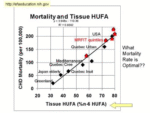
OMEGA 6/3 RATIO
-
-
Human Evolution:
It’s believed that humans evolved on a diet with a much lower omega-6 to omega-3 ratio, possibly around 1:1.
-
-
Western Diets:
Modern Western diets are typically much higher in omega-6 fatty acids, primarily due to increased consumption of processed foods, vegetable oils, and animal products.
-
Health Implications:
A high omega-6 to omega-3 ratio is associated with increased risk of various diseases, including cardiovascular disease, cancer, and inflammatory and autoimmune diseases.
-
Omega-3 Benefits:
Omega-3 fatty acids, particularly EPA and DHA, have anti-inflammatory properties and are important for brain health and development.
-
Balancing the Ratio:
To achieve a healthier ratio, individuals can focus on increasing their intake of omega-3s through foods like fatty fish, flaxseeds, and walnuts, and potentially reducing their intake of omega-6 rich foods like processed foods, some vegetable oils, and certain meats.
-
Individual Variation:
The ideal omega-6 to omega-3 ratio can vary slightly between individuals and may be influenced by factors like age, genetics, and overall health status.
Further considerations:-
Focus on the whole diet:
While the ratio is important, it’s crucial to consider the overall dietary pattern and ensure a balanced intake of all essential nutrients.
-
Consult with a healthcare professional:For personalized advice on dietary changes and omega-3 supplementation, it’s recommended to consult with a healthcare professional or registered dietitian
₹5,000.00Original price was: ₹5,000.00.₹2,500.00Current price is: ₹2,500.00. -