Neisseria gonorrhoeae PCR, also known as Gonorrhoea PCR, is a test that uses a sample (like a urine or swab) to detect the presence of the bacteria Neisseria gonorrhoeae using a PCR (Polymerase Chain Reaction) method. This test is highly sensitive and specific, meaning it can accurately identify the bacteria and distinguish it from other microorganisms, according to Phadke Labs.
Here’s a more detailed breakdown:
What it is:
PCR is a molecular testing technique that amplifies specific DNA sequences, making them detectable and allowing for identification of the bacteria.
Why it’s used:
PCR is considered a highly sensitive and accurate test for diagnosing gonorrhoea, which is a sexually transmitted infection (STI) caused by Neisseria gonorrhoeae.
How it works:
A sample is taken from the affected area (e.g., urethra, cervix, rectum) and the DNA is extracted. Then, PCR is used to amplify a specific gene sequence from the Neisseria gonorrhoeae bacteria.
What it detects:
A positive result indicates the presence of the Neisseria gonorrhoeae DNA, suggesting a current infection.
When it’s recommended:
PCR testing is often recommended for individuals who may be at risk for gonorrhea, including those with symptoms, those who have multiple partners, and those in certain high-risk groups.
Important Considerations:
False-negative results:Can occur due to improper specimen collection, technical errors, or concurrent antibiotic therapy.
Co-infection:PCR can often be paired with a Chlamydia test as both STIs are commonly found together.
Confirmation:Positive results may be confirmed by repeat testing or culture in some cases,
₹4,500.00Original price was: ₹4,500.00.₹4,000.00Current price is: ₹4,000.00.
It’s believed that humans evolved on a diet with a much lower omega-6 to omega-3 ratio, possibly around 1:1.
Western Diets:
Modern Western diets are typically much higher in omega-6 fatty acids, primarily due to increased consumption of processed foods, vegetable oils, and animal products.
Health Implications:
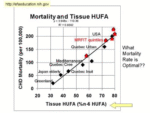
A high omega-6 to omega-3 ratio is associated with increased risk of various diseases, including cardiovascular disease, cancer, and inflammatory and autoimmune diseases.
Omega-3 Benefits:
Omega-3 fatty acids, particularly EPA and DHA, have anti-inflammatory properties and are important for brain health and development.
Balancing the Ratio:
To achieve a healthier ratio, individuals can focus on increasing their intake of omega-3s through foods like fatty fish, flaxseeds, and walnuts, and potentially reducing their intake of omega-6 rich foods like processed foods, some vegetable oils, and certain meats.
Individual Variation:
The ideal omega-6 to omega-3 ratio can vary slightly between individuals and may be influenced by factors like age, genetics, and overall health status.
Further considerations:
Focus on the whole diet:
While the ratio is important, it’s crucial to consider the overall dietary pattern and ensure a balanced intake of all essential nutrients.
Consult with a healthcare professional:
For personalized advice on dietary changes and omega-3 supplementation, it’s recommended to consult with a healthcare professional or registered dietitian
₹5,000.00Original price was: ₹5,000.00.₹2,500.00Current price is: ₹2,500.00.