

Showing 136–144 of 184 results
-
27%
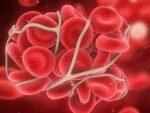
PARTIAL THROMBOPLASTIN TIME ACTIVATED; PTT; APTT
the Activated Partial Thromboplastin Time (aPTT) test, also known as Partial Thromboplastin Time (PTT), is a blood test that measures how long it takes for blood to clot, assessing the function of certain blood clotting factors in the intrinsic and common pathways of the coagulation cascade.Here’s a more detailed explanation:-
What it measures:The aPTT/PTT test measures the time (in seconds) it takes for a clot to form in a blood sample after specific reagents are added.
-
Why it’s used:It helps evaluate a person’s ability to form blood clots appropriately and can be used to:
- Monitor the effectiveness of heparin, a blood-thinning medication.
- Detect bleeding or clotting disorders.
- Identify deficiencies in certain blood clotting factors.
- Monitor the effectiveness of heparin, a blood-thinning medication.
-
How it’s performed:A blood sample is drawn, and the time it takes for the blood to clot is measured in seconds.
-
What the results mean:
- A prolonged aPTT/PTT result (longer clotting time) may indicate a deficiency in one or more clotting factors, or the presence of a bleeding disorder, or the effect of heparin.
- A shorter-than-normal aPTT/PTT result (faster clotting time) can also occur and may indicate a higher risk of blood clots.
- A prolonged aPTT/PTT result (longer clotting time) may indicate a deficiency in one or more clotting factors, or the presence of a bleeding disorder, or the effect of heparin.
-
Other names:Activated partial thromboplastin time (aPTT), partial thromboplastin time (PTT), Kaolin-cephalin clotting time (KCCT).
-
Related tests:Prothrombin time (PT) test, which measures a different part of the clotting system
₹550.00Original price was: ₹550.00.₹400.00Current price is: ₹400.00. -
-
27%
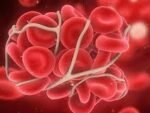
PARTIAL THROMBOPLASTIN TIME ACTIVATED; PTT; APTT
the Activated Partial Thromboplastin Time (aPTT) test, also known as Partial Thromboplastin Time (PTT), is a blood test that measures how long it takes for blood to clot, assessing the function of certain blood clotting factors in the intrinsic and common pathways of the coagulation cascade.Here’s a more detailed explanation:-
What it measures:The aPTT/PTT test measures the time (in seconds) it takes for a clot to form in a blood sample after specific reagents are added.
-
Why it’s used:It helps evaluate a person’s ability to form blood clots appropriately and can be used to:
- Monitor the effectiveness of heparin, a blood-thinning medication.
- Detect bleeding or clotting disorders.
- Identify deficiencies in certain blood clotting factors.
- Monitor the effectiveness of heparin, a blood-thinning medication.
-
How it’s performed:A blood sample is drawn, and the time it takes for the blood to clot is measured in seconds.
-
What the results mean:
- A prolonged aPTT/PTT result (longer clotting time) may indicate a deficiency in one or more clotting factors, or the presence of a bleeding disorder, or the effect of heparin.
- A shorter-than-normal aPTT/PTT result (faster clotting time) can also occur and may indicate a higher risk of blood clots.
- A prolonged aPTT/PTT result (longer clotting time) may indicate a deficiency in one or more clotting factors, or the presence of a bleeding disorder, or the effect of heparin.
-
Other names:Activated partial thromboplastin time (aPTT), partial thromboplastin time (PTT), Kaolin-cephalin clotting time (KCCT).
-
Related tests:Prothrombin time (PT) test, which measures a different part of the clotting system
₹550.00Original price was: ₹550.00.₹400.00Current price is: ₹400.00. -
-
3%

₹3,100.00Original price was: ₹3,100.00.₹3,000.00Current price is: ₹3,000.00. -
3%
₹1,550.00Original price was: ₹1,550.00.₹1,500.00Current price is: ₹1,500.00. -
7%
₹9,750.00Original price was: ₹9,750.00.₹9,000.00Current price is: ₹9,000.00. -
18%
₹4,300.00Original price was: ₹4,300.00.₹3,500.00Current price is: ₹3,500.00. -
16%
₹3,600.00Original price was: ₹3,600.00.₹3,000.00Current price is: ₹3,000.00. -
27%
PROTHROMBIN TIME STUDIES
A prothrombin time (PT) test measures how long it takes for blood to clot. It’s a blood test that helps evaluate the ability of blood to clot normally.
What it measures- The time it takes for a blood sample to clot after adding chemicals
- The function of clotting factors, which are proteins that help blood clot
Why it’s done
-
- To diagnose bleeding or blood clotting disorders
- To check if blood-thinning medications are working properly
How it’s done
- A blood sample is drawn from a vein, usually in the arm or hand
- Chemicals are added to the blood to see how long it takes for a clot to form
Results- Normal PT values are 10 to 14 seconds
- The international normalized ratio (INR) is a calculation based on the PT result
Risks
- Excessive bleeding
- Hematoma (blood under the skin)
- Infection at the puncture site
- Feeling faint or soreness or pain at the site where blood was drawn
Related tests
- Partial thromboplastin time (PTT) is another blood test that measures the function of a different part of the clotting system
₹550.00Original price was: ₹550.00.₹400.00Current price is: ₹400.00. - The time it takes for a blood sample to clot after adding chemicals
-
27%
PROTHROMBIN TIME STUDIES
A prothrombin time (PT) test measures how long it takes for blood to clot. It’s a blood test that helps evaluate the ability of blood to clot normally.
What it measures- The time it takes for a blood sample to clot after adding chemicals
- The function of clotting factors, which are proteins that help blood clot
Why it’s done
-
- To diagnose bleeding or blood clotting disorders
- To check if blood-thinning medications are working properly
How it’s done
- A blood sample is drawn from a vein, usually in the arm or hand
- Chemicals are added to the blood to see how long it takes for a clot to form
Results- Normal PT values are 10 to 14 seconds
- The international normalized ratio (INR) is a calculation based on the PT result
Risks
- Excessive bleeding
- Hematoma (blood under the skin)
- Infection at the puncture site
- Feeling faint or soreness or pain at the site where blood was drawn
Related tests
- Partial thromboplastin time (PTT) is another blood test that measures the function of a different part of the clotting system
₹550.00Original price was: ₹550.00.₹400.00Current price is: ₹400.00. - The time it takes for a blood sample to clot after adding chemicals